Give Before You Ask: Why Your Ads aren’t working.

Performance marketing looks easy on paper, but running cold ads without brand equity is a quick way for a startup to run out of cash. To build a healthy business, you need to balance capturing immediate sales with building long-term trust. By leading with genuine value, you give hesitant customers the social proof they need to buy from a brand they didn't know before.
The low-hanging fruit misconception
Often I see founders and startups spend most of their budget on performance marketing without dedicating resources to brand building. They launch ads, invest money, and expect sales to come. And often, they’re not getting the results they want.
Performance marketing might seem like the easiest task to achieve compared to organising an event or writing long-form content, but without existing brand equity, it becomes an expensive and uphill battle. While direct ads can occasionally cause a short-term spike in sales, they do not generate healthy growth (or create future demand).
For sustainable results, you will need to distribute your efforts. Performance marketing works to capture the small percentage of people who are ready to buy today, while brand building introduces you to the larger crowd who will buy from you in the future. Building brand equity is about creating the right conditions for people to connect with you. Who is your audience, what do they value, and where does that intersect with what you offer as a brand?
Dealing with purchase anxiety in tight economic conditions
In today’s economic climate, consumers are incredibly cautious. They experience higher purchase regret anxiety, meaning they instinctively lean towards predictable and trusted legacy brands rather than spending money on an unknown product. As a young brand, it is imperative you build a library of trust cues and social proof to break through that hesitation.
The most impactful kind of social proof is other people recommending your product. To build this, look at finding the right creators or micro-influencers to trial your product and share an honest review. This gives you genuine content that you can use on your socials and website to build credibility. You can layer this with traditional trust cues like media placements (for example, "as seen in Broadsheet"), customer reviews or industry awards.
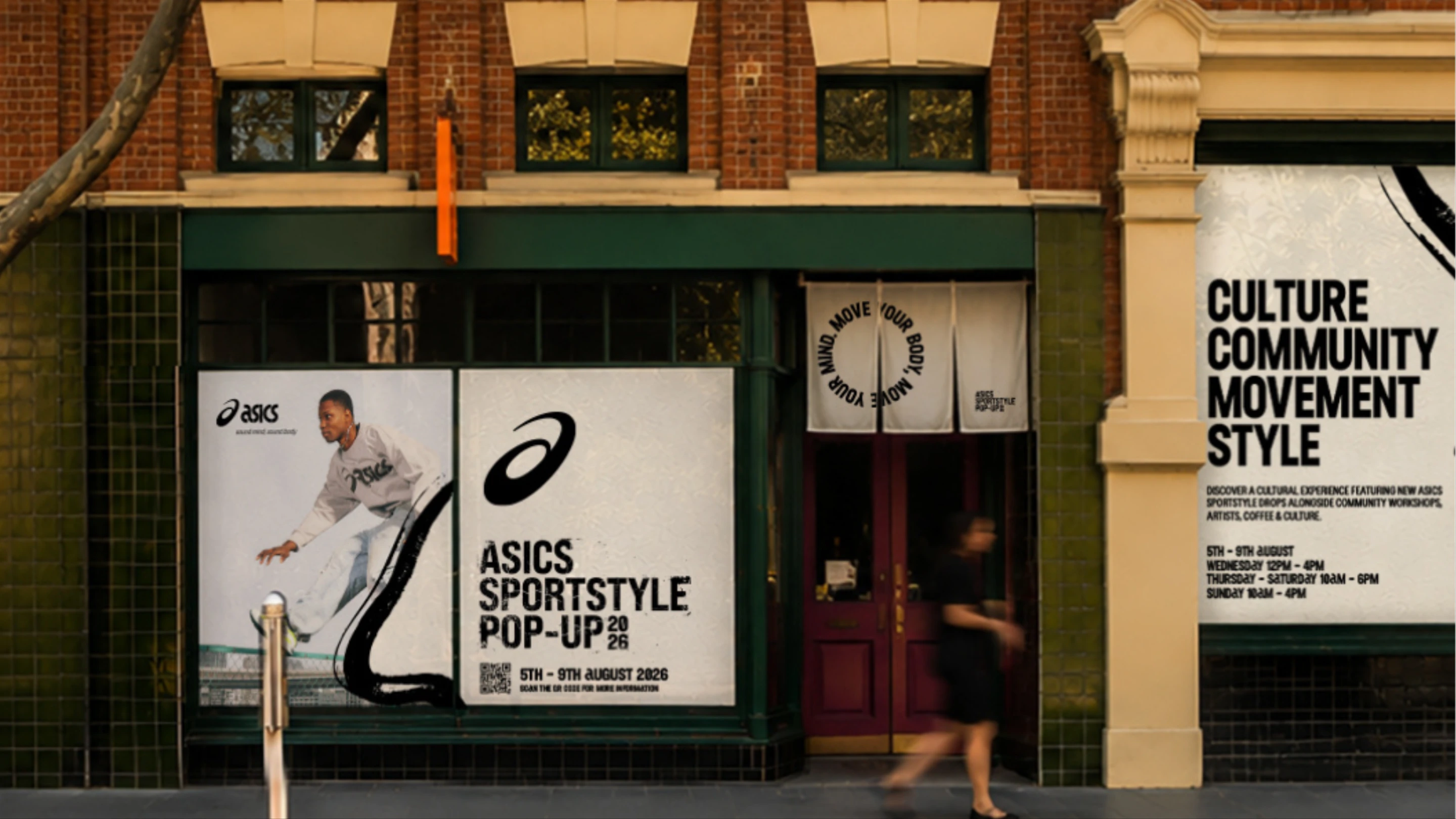
Give before you ask
When you ask a person to buy from your brand, you are asking them to make an investment. If your only interaction with your audience is asking for their money, the relationship stays transactional. You need an equal value exchange where you make deposits into their “trust bank” before asking for a withdrawal.
If you are a product brand, like skincare, providing value could look like a monthly educational Substack where you interview dermatologists and answer real skin concerns. As you build your presence there, you will find that your readers become more invested, and invested readers can become loyal customers. This process also gives you deep insights into what your audience actually cares about.
For a service brand, like a group-fitness gym, this value exchange can happen through physical experiences. For example, you could redirect the $3,000 you were going to spend on online ads into a monthly community day, offering free classes and coffee for members who bring a friend. (Which is arguably more exciting than an online ad saying "2-week trial for $79")
A community event can achieve the same conversions while delivering a memorable experience that connects you personally with future members.
(Note: 89% of consumers trust product recommendations from friends and family more than any other source and a one-year study of new gym members found that social support from friends and family was a significant predictor of sticking to a regular exercise routine.)
The brand as an ecosystem
It is helpful to remember that your brand is not an isolated ad campaign. It is an entire ecosystem made up of many touch points and moments where your audience needs social proof, trust cues and education before they decide to buy.
Building a brand this way takes patience, effort, and time. It can feel overwhelming, especially when you are trying to balance the daily pressures of running a startup. Not everything needs to happen all at once. By shifting even a small fraction of your effort away from cold transactions and toward real human connection, you’re building an asset that grows stronger over time.
Let’s chat if you want to map out a community experience or figure out your brand’s unique value exchange.
